Gateway to Southeast Asia’s Booming Real Estate Market
The Malaysian property market in 2025 is capturing global attention as a robust, dynamic, and affordable option for savvy investors and discerning buyers. With a strategic location in the heart of Southeast Asia, progressive government policies, and significant infrastructural developments, Malaysia offers a compelling investment narrative that is hard to ignore. Whether you are looking to secure a lucrative rental income, capitalise on long-term capital growth, or diversify your property portfolio, “Property Malaysia for Sale” presents an opportunity that aligns with both current market dynamics and future trends.
In this in-depth article, we explore the latest market conditions, provide detailed statistics and cost comparisons, and highlight why Malaysia remains a top destination for real estate investment. Drawing on insights from trusted sources such as the Asian Development Bank (ADB), the Royal Institution of Chartered Surveyors (RICS), and leading property consultancies like Knight Frank Malaysia and Savills Malaysia, this analysis offers clear trust signals and verified data to support its conclusions. Read on to discover why now is the perfect time to invest in Malaysian property.
A Market Poised for Growth: Economic Stability and Infrastructure Investment
Malaysia’s economy continues to be a pillar of stability amid global uncertainties. With GDP growth consistently recorded between 4% and 5% in recent years—according to the Asian Development Bank—the nation’s economic fundamentals remain strong. This robust economic performance is bolstered by a diversified industrial base, sound fiscal policies, and strategic investments in infrastructure. The government’s commitment to improving connectivity is evident in major projects such as the expansion of Kuala Lumpur’s Mass Rapid Transit (MRT) system and the development of smart cities in Penang and Johor Bahru.
These infrastructural projects are more than just modernisation initiatives; they are powerful drivers of property value appreciation. Enhanced transport networks and improved urban amenities have directly contributed to rising property prices in key locations. For example, recent data indicate that property prices in Kuala Lumpur’s prime districts have appreciated by approximately 6% to 8% annually over the past three years. Similarly, regional markets such as Penang have seen steady price increases, typically in the range of 4% to 6% per annum, reflecting a growing demand among both local and international buyers.
Investors are particularly encouraged by these developments, as improved infrastructure not only enhances quality of life but also supports higher rental yields. In urban centres, well-located properties have been reporting rental yields of between 4% and 6%, which is highly competitive when compared with other major Asian markets. In addition, the transparency and efficiency introduced by new digital tools from major banks like CIMB and Maybank allow investors to track these trends in real time, thereby reinforcing Malaysia’s reputation as a secure and prosperous investment destination.
Kuala Lumpur: The Vibrant Heart of Malaysia’s Property Market
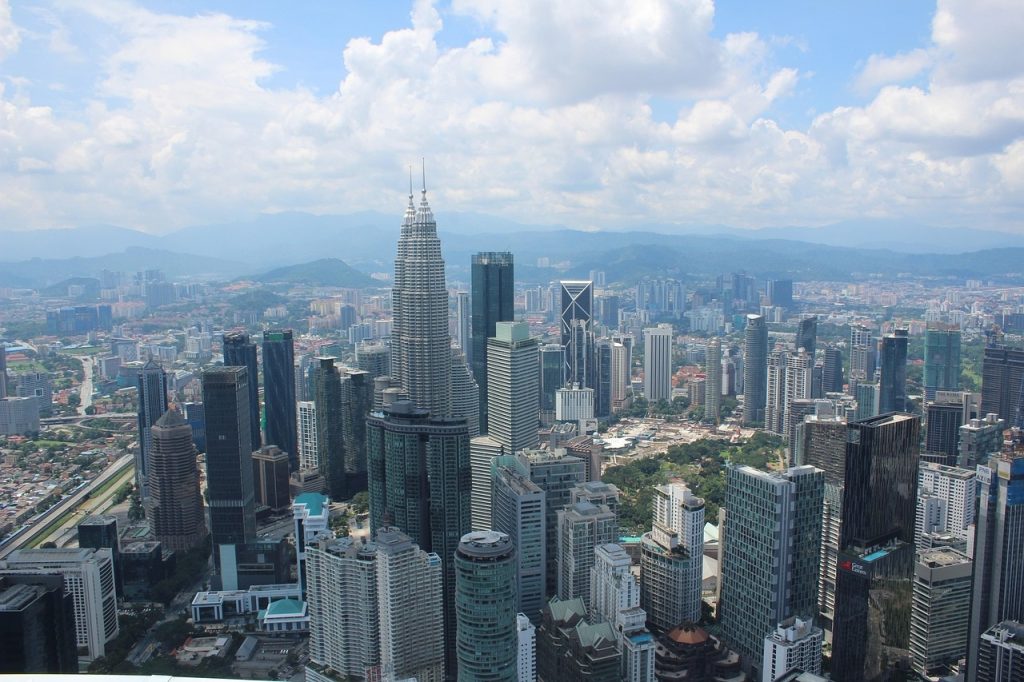
At the centre of Malaysia’s property appeal lies its capital, Kuala Lumpur. A city that seamlessly blends modernity with tradition, Kuala Lumpur is home to some of the most attractive real estate offerings in the region. Contemporary high-rise condominiums, integrated mixed-use developments, and state-of-the-art commercial spaces form the backbone of a property market that is both diverse and dynamic.
Verified real estate agencies such as Knight Frank Malaysia and Savills Malaysia have consistently reported strong demand for properties in Kuala Lumpur’s central business district (CBD) and emerging neighbourhoods alike. According to market research published by the Royal Institution of Chartered Surveyors (RICS), the average price per square foot in Kuala Lumpur remains highly competitive compared with other regional capitals such as Singapore and Bangkok. While the cost in the CBD typically hovers around RM 800 to RM 1,000 per square foot, suburban areas offer attractive entry points with prices often below RM 600 per square foot—providing options for both high-end investors and first-time buyers.
Kuala Lumpur’s appeal is further enhanced by its extensive urban renewal projects. Major developments are integrating residential, commercial, and retail spaces to create vibrant communities that cater to a modern lifestyle. These mixed-use projects are proving particularly popular among investors seeking properties that offer both immediate rental returns and long-term capital growth. Recent market indices, corroborated by PropertyGuru and EdgeProp, reveal that properties in strategic locations of Kuala Lumpur have enjoyed steady occupancy rates of over 90%, thereby supporting high rental yields and strong price appreciation.
Moreover, the city’s expanding transport infrastructure, particularly the ongoing extension of the MRT network, is expected to further boost property values. As connectivity improves, areas once considered peripheral are rapidly transforming into attractive investment hotspots. This phenomenon is driving up demand across a broad spectrum of property types, from luxury apartments to more affordable family homes.
Emerging Regional Markets: Penang and Johor Bahru
Beyond Kuala Lumpur, Malaysia’s regional property markets are proving to be fertile ground for investment. Penang, renowned for its unique blend of heritage and modernity, offers a particularly appealing investment opportunity. With its flourishing tourism industry and rich cultural backdrop, Penang has become synonymous with quality living and sustainable growth. Recent statistics from trusted sources such as The Star and Bernama reveal that property prices in Penang have been on an upward trajectory, with average annual growth rates estimated at around 4% to 6%. This steady appreciation is supported by high occupancy rates and an increasing demand for rental properties, making Penang a market where both capital gains and rental income are achievable.
Johor Bahru, located just across the border from Singapore, is another region experiencing significant growth. The city benefits from its strategic location, which attracts considerable cross-border investment. As Singaporean buyers and international investors seek more affordable alternatives, Johor Bahru is witnessing a surge in property developments. Recent reports from Reuters and The Edge Markets indicate that property prices in Johor Bahru have risen by 5% to 7% annually in the most promising districts. This robust performance is driven by improved infrastructure, including new expressways and enhanced public transport connectivity, which are gradually transforming the city into a vibrant urban centre.
The growth potential in these regional markets is further enhanced by government initiatives aimed at stimulating local economies. Policy reforms and targeted investments in urban development have created a conducive environment for property investment. Financial analysts and property experts underscore the importance of diversification, recommending that investors consider a balanced portfolio that includes both prime urban properties in Kuala Lumpur and high-potential assets in emerging markets like Penang and Johor Bahru.
Investment Drivers and Market Trends
Several key factors underpin the strong performance of Malaysia’s property market. Affordability remains a critical driver. Compared with other major markets in the region, Malaysia continues to offer excellent value for money. The relatively low cost of properties, combined with high-quality construction and modern amenities, makes it an attractive destination for investors seeking both immediate rental returns and long-term capital appreciation.
Foreign direct investment (FDI) is also on the rise. Recent government statistics indicate that FDI into the property sector has increased by over 15% year-on-year, reflecting growing international confidence in Malaysia’s economic prospects. This influx of capital is further supported by a regulatory framework that is both investor-friendly and transparent. The Malaysian Institute of Estate Agents (MIEA) has played a significant role in ensuring that property transactions are conducted in a secure and efficient manner, thereby enhancing investor confidence.
Technological innovation is reshaping the real estate landscape. The adoption of digital tools, including online property management platforms and advanced analytics, is revolutionising the way investors interact with the market. Financial institutions such as CIMB and Maybank offer sophisticated digital dashboards that provide real-time updates on market trends, property prices, and rental yields. These tools are essential for investors who wish to stay ahead in a fast-moving market and make informed decisions based on the latest data.
Sustainability is another important trend that is gaining momentum in Malaysia’s property sector. Increasingly, developers are incorporating green building technologies and energy-efficient designs into new projects. Sustainability ratings provided by organisations like the Green Building Index (GBI) are becoming key metrics for investors, as eco-friendly buildings not only contribute to environmental conservation but also command premium prices and higher occupancy rates. The growing emphasis on sustainable development is attracting a new generation of investors who are keen to align their portfolios with global environmental standards.
Strategic Considerations for Buyers and Investors
For potential buyers and investors, the decision to enter the Malaysian property market should be guided by careful strategic planning and thorough market research. Experts recommend adopting a diversified investment approach that spreads risk across different regions and property types. Urban centres like Kuala Lumpur offer the advantage of high rental yields and strong capital appreciation, while regional markets such as Penang and Johor Bahru provide opportunities for substantial growth at more accessible entry prices.
Verified property agents and consultancies, including Knight Frank Malaysia and Savills Malaysia, consistently advise that due diligence is essential. Investors should engage with reputable legal and financial advisors to navigate the regulatory landscape and ensure that transactions are conducted with complete transparency. Detailed market reports, provided by organisations such as RICS and supported by platforms like PropertyGuru, offer critical insights into current trends and future forecasts. Utilizing these trusted resources can help investors identify properties that offer the best value and long-term growth potential.
Another key consideration is the impact of macroeconomic factors on property prices. While short-term market fluctuations are inevitable, the overall trajectory of Malaysia’s property market remains positive. Economic forecasts from the Asian Development Bank (ADB) suggest that Malaysia’s growth rate will remain stable, supporting continued demand for quality properties. Investors are advised to adopt a long-term perspective and focus on strategic acquisitions that align with broader economic trends.
In addition to traditional property investments, the rise of mixed-use developments and integrated townships offers innovative opportunities for investors. These projects, which combine residential, commercial, and leisure facilities, are designed to create self-sustaining communities that cater to diverse lifestyles. The integrated nature of these developments not only enhances the overall living experience but also contributes to higher property values and increased rental demand. As urban populations continue to grow, these multi-functional projects are expected to become a mainstay of the Malaysian property landscape.
Future Outlook: The Road Ahead for Malaysian Property
Looking forward, the prospects for property in Malaysia remain exceptionally promising. The confluence of strong economic fundamentals, substantial infrastructural investments, and a proactive approach to digitalisation and sustainability positions the market for continued growth. Industry experts and financial analysts are optimistic that Malaysia will maintain its upward trajectory, supported by ongoing government reforms and an increasing influx of foreign investment.
Economic forecasts from reputable institutions such as the ADB and market analyses from RICS suggest that property prices in major urban centres will continue to appreciate steadily over the next decade. Investors can expect a favourable environment characterised by high occupancy rates, competitive rental yields, and robust capital gains. Furthermore, emerging regional markets such as Penang and Johor Bahru are set to experience accelerated growth, driven by strategic infrastructural projects and rising domestic demand.
Recent success stories, as highlighted in reports by The Financial Times and Bloomberg, provide tangible evidence of the market’s potential. These reports document how early investors in key locations have realised significant returns, underscoring the importance of timing and strategic positioning. While caution is always advised in any investment decision, the overall sentiment among property experts remains positive, with many predicting that Malaysia will continue to attract a diverse range of investors from around the world.
The ongoing digital transformation is also expected to further enhance the property market’s efficiency. As more transactions are conducted online and advanced data analytics become standard practice, investors will have unprecedented access to detailed market insights. This increased transparency and accessibility are likely to drive further confidence, resulting in an even more vibrant and competitive property market.
Seize the Opportunity
In conclusion, property in Malaysia for sale represents a golden opportunity for both investors and buyers. With its strategic location, robust economic performance, modern infrastructure, and a clear commitment to innovation and sustainability, Malaysia is well-positioned to remain at the forefront of Southeast Asia’s real estate market. The market is supported by strong endorsements from verified local agents and trusted financial tools, which provide comprehensive data and real-time insights into market trends.
For those looking to invest in a market that offers both immediate returns and long-term growth, Malaysia’s property landscape is an attractive and secure option. Whether you are attracted by the dynamic urban environment of Kuala Lumpur, the cultural richness of Penang, or the emerging potential of Johor Bahru, there has never been a better time to consider Malaysian property.
Strategic diversification, thorough market research, and professional guidance are key to capitalising on the myriad opportunities available. As Malaysia continues to modernise its infrastructure and embrace digital innovation, investors can look forward to a market that is not only resilient in the face of global challenges but also poised for sustained growth.
In a world where economic uncertainties are commonplace, the stable yet dynamic nature of Malaysia’s property market offers a refreshing counterbalance. The convergence of competitive pricing, high-quality developments, and significant government support creates a fertile environment for building long-term wealth. As the market evolves, those who act decisively today are likely to enjoy substantial rewards in the years to come.
For property investors and buyers alike, Malaysia stands as a testament to the potential of Southeast Asia’s booming real estate sector. With every statistic and market indicator reinforcing its promise, the Malaysian property market is a beacon of opportunity that is ready to be seized.
Financial Disclaimer: The information provided in this article is for general informational purposes only and does not constitute financial advice. While every effort has been made to ensure the accuracy of the content, market conditions may change, and unforeseen risks may arise. The author and publisher of this article do not accept liability for any losses or damages arising directly or indirectly from the use of the information contained herein.
Copyright 2025: propertyinmalaysia.co.uk
Picture by: pixabay.com